Credit card debt may seem light at first, but over time it can become a heavy burden. A small purchase or the occasional missed payment may seem trivial, but when interest and additional charges are added, the balance can quickly grow and become stressful.
If you’re new to managing money, start with this complete personal finance guide for beginners.
If you’ve ever looked at your credit card balance and wondered why it’s not going down even though you’re making regular payments, you’re not alone. That’s why creating a credit card debt payoff plan is so important. Building strong financial habits starts with understanding the basics of financial literacy.
Fortunately, with the right strategy and a little patience, you can regain control of your finances. In this guide, we’ll walk you through two popular methods — Snowball vs Avalanche — so you can decide which method is most effective for you. Plus, you’ll learn how to reduce interest payments, stay motivated, and adopt better financial habits in the future.
Table of Contents
What is the best way to pay off credit card debt in 2026?
The best way to pay off credit card debt in 2026 is to use either the Snowball Method or the Avalanche Method. The Snowball Method focuses on paying off small balances first to build motivation, while the Avalanche Method targets high-interest debts first to save money. Choosing the right strategy depends on your financial situation, discipline, and goals.
Why Paying Off Credit Card Debt Is Crucial
Before considering strategies, it’s important to understand why paying off credit card debt should be a top priority.

1. High interest can eat away at your income
Credit cards often carry the highest interest rates of any personal finance loan. Even if your balance is small, the interest can add up quickly. Over time, you could end up paying far more than you originally spent.
Understanding how credit card interest works can help you reduce long-term costs and avoid unnecessary debt.
Example:
If you have a $2,000 balance with a high interest rate, and you’re only making the minimum payments, it could take years to clear the balance and add up to hundreds or thousands in additional interest.
2. Debt limits your financial freedom
When a portion of your income goes to paying off debt each month, it limits your financial freedom. The effect is that you:
- Cannot save money for emergencies
- Miss out on future investment opportunities
- Cannot enjoy life without financial stress
Planning and paying off debt gives you full control over your money again. After clearing debt, your next goal should be building a strong emergency fund.
3. Mental stress and worry
Debt is not just a financial problem, but also an emotional one. Constant worry about paying bills, meeting deadlines, and increasing balances can take a toll on your mental health.
When you clear your debt, you not only gain financial peace of mind, but also gain confidence in your decisions, and you can make future financial decisions with ease.
Understanding Snowball vs Avalanche Methods
When it comes to credit card debt payoff strategies, two popular methods come to mind: If you want to understand credit cards better, check this complete credit card guide for students.
- 1. Snowball Method
- 2. Avalanche Method
Both methods are effective, but the difference is in the order in which you pay them off and which debt you focus on first. Each method has its own benefits, and the best method can be chosen based on your financial situation and preferences.
The Snowball Method (Focus on Small Wins)
The snowball method is one of the simplest and most mentally effective strategies. It is especially helpful for those who want to see quick results when paying off debt.
How to Snowball Method Works
Arrange all of your credit card debt from smallest to largest.
Make the minimum payment on each card so that the balance doesn’t build up.
Pay off the smallest debt first by adding more money to it.
This method is most effective for those who want to achieve immediate success and feel happy in the loan process.
Repeat this process until all debt is completely cleared.
Example
Let’s say you have three cards:
- Card A: $300
- Card B: $1,000
- Card C: $3,000
You would pay off Card A first, then Card B, and finally Card C.
Benefits of the Snowball Method
- Boosts motivation by paying off smaller debts quickly
- Easier to stay consistent in paying off debts
- Increases confidence in your finances
Potential disadvantages
- The total interest can be higher due to late attention to high-interest debts
- Not always the most efficient from a mathematical perspective
Who is this method best for?
- New borrowers or beginners
- People who find it difficult to stay motivated
- Those who are overwhelmed by multiple debts
Snowball vs Avalanche: Key Differences
- Snowball Method focuses on smallest balances first
- Avalanche Method focuses on highest interest rates first
- Snowball builds motivation quickly
- Avalanche saves more money in interest
- Both methods require consistency to succeed
You can also explore expert tips on managing and reducing debt effectively.
The Avalanche Method (Focus on Saving Interest)
The avalanche method requires a little more planning and financial calculation, but it is the most effective in the long run.
How the Avalanch Method Works
- Arrange all your credit card debt from the highest interest rate to the lowest interest rate.
- Continue to make minimum payments on each card.
- Pay off the highest interest debt early by putting extra money on it.
When that debt is completely cleared, move on to the next highest interest debt.
Example
Let’s say you have three cards:
- Card A: 25% interest
- Card B: 18% interest
- Card C: 12% interest
In this method, you would pay off Card A first, even if it has the smallest balance.
Benefits of the Avalanch Method
- Saves money by paying off high-interest debt
- Speeds up the overall payback time
- Most financially efficient method
Potential Disadvantages
- Progress may seem slow at first
- Requires patience and discipline
Who is it suitable for?
- People who focus on saving as much interest as possible
- Want to be comfortable and stable with long-term financial planning
- People with high-interest debt
Snowball vs Avalanche: Which One Is Better?
No method works the same for everyone, so the decision depends on your preferences.
Use the Snowball Method if:
- You need motivation
- You want to see small results quickly
- You are new to budgeting and debt repayment
Use the Avalanche Method if:
- You want to minimize interest payments
- You have patience and discipline
- You have high-interest debt
Simple rule
If your emotions drive decisions → Snowball Method
If numbers and calculations guide you → Avalanche Method
Both methods are effective, as long as you are consistent and stick to your choices.
How to Choose the Right Strategy for Your Situation
The best method for you depends on your financial and personal situation. Consider these factors before making a decision:
1. Debt size
If you have large debts, the Avalanche Method may be more beneficial.
2. Interest rate
Higher interest loans → Avalanche is more effective.
3. Your personality
If you need help staying motivated → Snowball works better.
4. Financial stability
If income is stable → Avalanche
If income is uncertain or fluctuating → Snowball
How to pay off credit card debt fast
- List all your debts
- Choose Snowball or Avalanche method
- Pay more than the minimum
- Reduce unnecessary expenses
- Increase your income
- Avoid new debt

Practical Tips to Save Money While Paying Off Debt
Debt repayment isn’t just about paying off the money, it’s also about accelerating your credit card debt payoff by using your financial resources better.
1. Create a simple budget
Keep track of your income and expenses. See which areas you can cut back on.
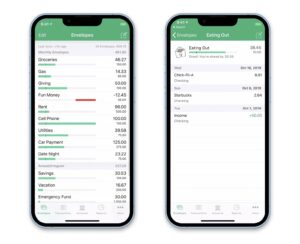
To make budgeting easier, you can use the best budgeting apps for beginners to track your spending effectively.
2. Cut unnecessary expenses
You can also follow these proven money saving habits to reduce expenses faster.
- Control eating out
- Cancel unused subscriptions
- Avoid unnecessary purchases
3. Increase your income
Another smart way is to build multiple streams of passive income.
- Work freelance or part-time
- Sell unused items
- Extra income can greatly accelerate your credit card debt payoff.
4. Use windfalls wisely
When you receive bonuses, gifts, or cashback, put them toward paying off your debt instead of spending them.
5. Negotiate interest rates
Some credit card companies offer interest rate reductions upon request, making it easier to pay off.
6. Avoid new debt
Unless absolutely necessary, avoid using new credit cards and focus on paying off existing balances first.
Common Mistakes People Make in Debt Payoff
Even with the best planning, some common mistakes can slow down your credit card debt payoff.
- 1. Paying only the minimum
Paying only the minimum allows your debt to grow for years and you waste more money in interest.
- 2. Ignoring interest rates
Ignoring paying off high-interest debt can actually cost you dearly.
- 3. Delaying payments
Missing or making late payments can lead to penalties and interest charges.
- 4. Taking out new debt
Using new credit cards while you’re paying off existing debt only prolongs the cycle of debt.
- 5. Not having a clear plan
Without a strategy, debt repayment becomes slow and ineffective, and your financial progress stalls.
How to Stay Consistent and Motivated
Paying off debt is a time-consuming process, and it’s important to stay consistent and proactive.
1. Track your progress
Even if your income is limited, you can still succeed using these money saving strategies on a low income. When you see your balance decrease, it boosts your morale and motivates you to work harder.
2. Celebrate small successes
Every card payment is a big achievement, celebrating it keeps you motivated.
3. Set realistic goals
Break your big goal down into smaller milestones, so that each completed step gives you more motivation.
4. Stay accountable
Share your goals with a friend or family member, this helps you stay consistent.
5. Visualize a debt-free life
Picture in your mind how you’ll use the extra money once the debt is gone, this vision gives you motivation
Real-Life Scenario: From Debt to Freedom
Sarah is a working professional with three credit cards and a total balance of $5,000. She initially felt overwhelmed and confused about where to start paying off her debt.
What She did
Sarah decided to adopt the Snowball Method
Paid off the smallest balance first
Capitalized on small wins to build toward larger debts
Accumulated extra money by cutting down on unnecessary expenses
The result:
Within 18 months, Sarah had paid off all of her credit card debt and was debt-free.
Key Lesson
Sarah’s most important lesson was that consistency is more important than skill in financial success.
Conclusion: Take Control of Your Debt Today
Credit card debt doesn’t go away on its own, but it can be kept under control with the right strategy.
Whether you adopt the Snowball Method or the Avalanche Method, the key to success is:
Start now and don’t procrastinate
Be consistent
Avoid taking on new debt
Every journey to financial freedom begins with one small step. Take that first step today and move toward your debt-free life.

FAQs: Credit Card Debt Payoff
1. What is the fastest way to pay off credit card debt?
The fastest way is to cut expenses and make extra payments, especially using the Avalanche Method to reduce your total interest payments.
2. Snowball vs. Avalanche: Which is better?
The Snowball Method is best for staying motivated.
The Avalanche Method is more effective for saving interest.
3. How do I manage multiple credit card debts?
First, list all your debts, choose a strategy, and focus on one debt at a time. Continue to make minimum payments on the remaining debts.
4. How can you save on interest on credit card debt?
Pay more instead of the minimum payment
Pay off the highest-interest debt first
Avoid late payments or non-payment of bills
5. Should you stop using credit cards when you are paying off debt?
Yes, avoid taking out new loans or cards until your current debt is paid off in full.
6. How much should you pay off your debt each month?
Whenever possible, pay more than the minimum. Even small extra payments can speed up your overall repayments.
7. Is it possible to pay off your credit cards without increasing your income?
Yes, just cut back on expenses and stick to a budget. However, increasing your income makes the repayment process faster and easier.
8. How long does it take to get out of debt?
This depends on the total amount of your debt and your monthly payments. With consistent and systematic effort, the repayment time can be significantly reduced.