Managing money today feels more challenging than ever before. With rising living costs, multiple subscriptions, and unexpected expenses showing up without warning, it’s easy to lose track of where your income actually goes before the month even ends.
At some point, many people pause and wonder where their money disappears. If this thought has crossed your mind, it simply means you’re facing a situation that countless others deal with as well.
The good news is that taking control of your finances no longer requires complex spreadsheets or advanced financial knowledge. In 2026, Best Budgeting Apps have become smarter, more intuitive, and incredibly easy to use. Whether your goal is to cut unnecessary expenses, monitor your spending, or learn how to save money monthly, the right app can completely reshape your financial habits.
In this guide, we’ll explore the Best Budgeting Apps 2026, compare free and paid options, and show you how these tools can realistically help you save up to $500 each month—without adding extra stress to your routine. Many people struggle with how to save money monthly, but with the right budgeting tools, managing your finances becomes much simpler.
Table of Contents
What Are the Best Budgeting Apps in 2026?
The best budgeting apps in 2026 are digital tools that help you track expenses, manage money, and build savings. Popular options include Mint, YNAB, and PocketGuard, each offering features for beginners and advanced users.
Why Saving Money Monthly is Important
Before diving into the apps, let’s take a step back and look at the bigger picture. Saving money isn’t just about having extra cash at the end of the month—it’s about creating stability and gaining financial freedom over time. Improving your financial literacy can help you make better decisions about saving, budgeting, and long-term financial planning.
What Are the Real Benefits of Saving Money Monthly?
Saving consistently each month can completely change how you handle money and plan your future. Here’s what it actually gives you:
- Financial Security – You’re better prepared for unexpected expenses like medical bills, repairs, or emergencies.
- Less Stress – Bills no longer feel overwhelming because you already have a safety cushion.
- Freedom of Choice – You can make life decisions without constantly worrying about money.
- Future Planning – Goals like traveling, education, or investing become realistic and achievable.
Even small amounts can grow into something meaningful when you stay consistent. Building consistent savings becomes easier when you follow proven money saving habits that actually work in real life.
Simple Example to Understand the Power of Saving
- Saving just $10 a day adds up to around $300 per month
- Saving $500 per month turns into $6,000 per year
This is the true power of consistency. And with the help of the Best Budgeting Apps 2026, tracking and maintaining these savings becomes much easier—even for beginners learning how to save money monthly.
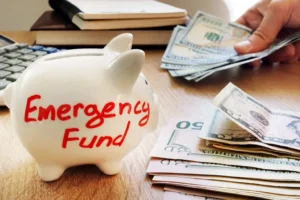
What Is an Emergency Fund?
An emergency fund is money set aside to cover unexpected expenses such as medical bills, job loss, or urgent repairs. It helps you avoid debt and stay financially stable during difficult situations.
What is an Emergency Fund and Why It Matters
An emergency fund is money you set aside to protect yourself when unexpected situations arise. It’s the money you set aside specifically to handle unexpected situations without disrupting your daily life.
What Counts as an Emergency?
Not every expense is an emergency. True emergencies are situations that are urgent, necessary, and often unavoidable, such as:
- Medical expenses that require immediate attention
- Loss of a job or sudden drop in income
- Urgent home or car repairs
- Family-related emergencies
Without savings, many people are forced to rely on credit cards or loans during these situations. But when you have a solid emergency fund, you stay in control and avoid unnecessary debt.
Understanding the importance of emergency savings can help you stay financially secure and avoid unnecessary debt during difficult situations.
How Much Should You Really Save for Emergencies?
A commonly recommended guideline is to save enough to cover:
- money set aside to manage your daily essentials for about three to six months
This gives you enough time to recover from financial setbacks without panic.
This is where the Best Budgeting Apps 2026 become incredibly useful. These tools help you track your expenses, stay consistent, and gradually build your emergency fund. To plan your savings more accurately, you can also use an emergency fund calculator and improve your financial strategy.
Once your finances are stable, it becomes easier to build an emergency fund after debt payoff with a structured approach.
What Are Budgeting Apps? (Beginner-Friendly Explanation)
If you’re new to personal finance, let’s keep things simple. Budgeting apps are digital tools designed to help you manage your money efficiently. They can assist you in:
Using proven budgeting strategies can significantly improve how you manage your monthly income and help you make better financial decisions.
Tracking your income and daily expenses
- Categorizing your spending (food, rent, entertainment, etc.)
- Setting and monitoring your savings goals
- Observing and improving your financial habits over time
Think of them as your personal finance assistant, available 24/7 to guide you and make managing money much easier.
Using the Best Budgeting Apps 2026, even beginners can quickly learn how to save money monthly and make smarter financial choices.
How Do Budgeting Apps Help You Save Money?
Budgeting apps help you save money by tracking your expenses, identifying unnecessary spending, and setting financial goals. They provide insights that make it easier to control your budget and increase savings.
Top 10 Best Budgeting Apps in 2026
Now let’s look at the most popular money management apps today. Each app has its own unique features, so whether you’re a beginner or an advanced user, there’s definitely an option for you.
1. Mint (Best Free App for Beginners)
Mint is a popular and old budgeting app that’s especially great for beginners, and it’s a strong choice among free budgeting apps 2026.
Key Features:
- Automatically tracks expenses
- Divides expenses into different categories
- Gives reminders for bills
Best for whom?
👉 Those who want a simple and free all-in-one tool
2. YNAB (You Need A Budget) Best for Control
This app is for those who want complete control over their money, and it’s considered quite powerful among the Best Budgeting Apps 2026.
Key Features:
- Zero-based budgeting system
- Tracks saving goals
- Real-time updates
Best for whom?
👉 Serious users who want to budget with proper planning
3. PocketGuard (Best for Overspenders)
If you think you overspend, this app might be useful for you.
Key features:
- Shows how much you can safely spend
- Tracks subscriptions
- Simple and clean interface
Best for:
👉 People who want to reduce unnecessary spending
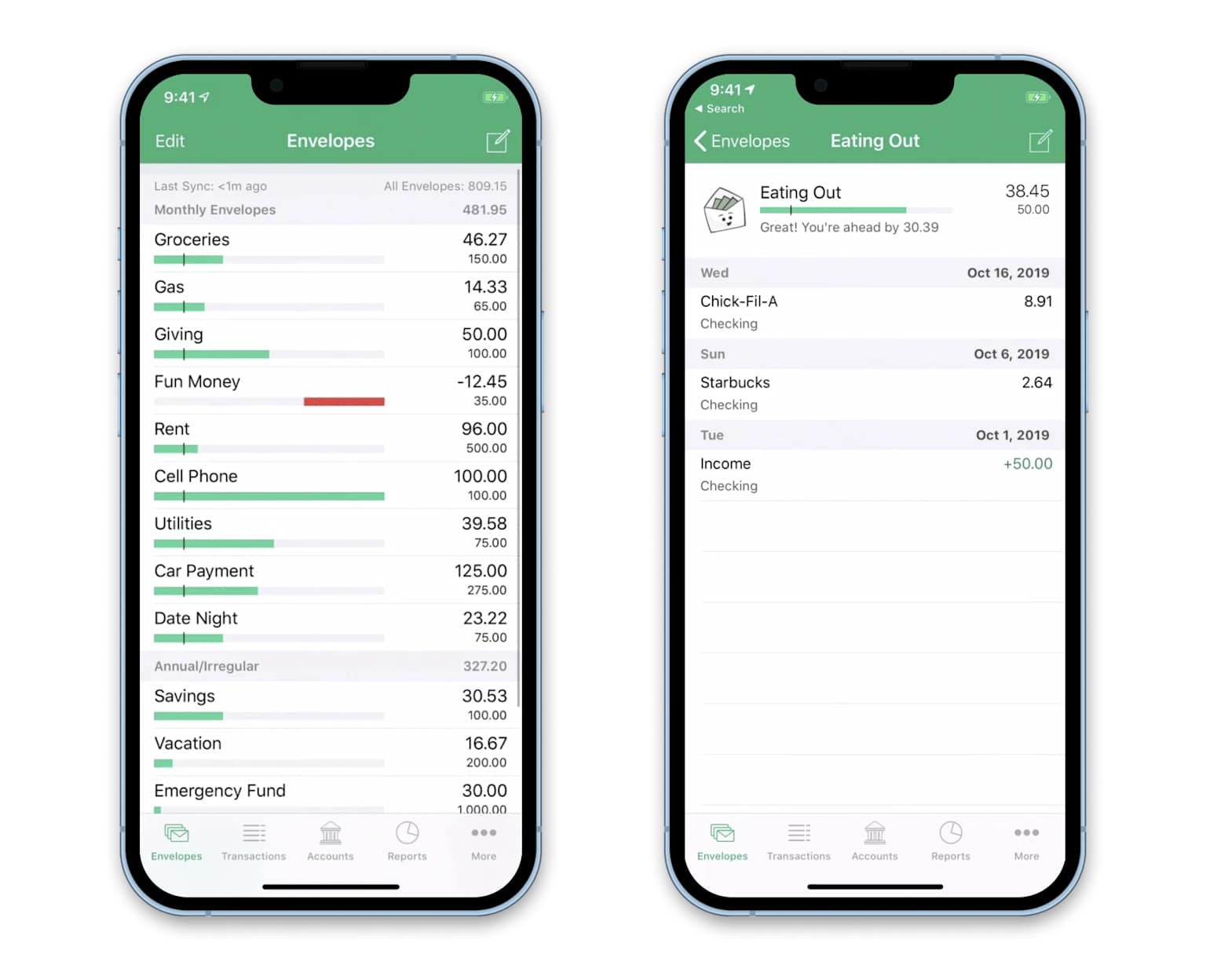
4. GoodBudget (Envelope System)
It works on a digital envelope budgeting system.
Key features:
- Manually add expenses
- Create budget envelopes
- Sync across devices
Best for:
👉 Couples and families
5. EveryDollar (Simple & Clean )
This app is specifically designed for simplicity.
Key features:
- Easy monthly budgeting
- Clean interface
- Quick setup
Best for:
👉 Beginners who want a simple system
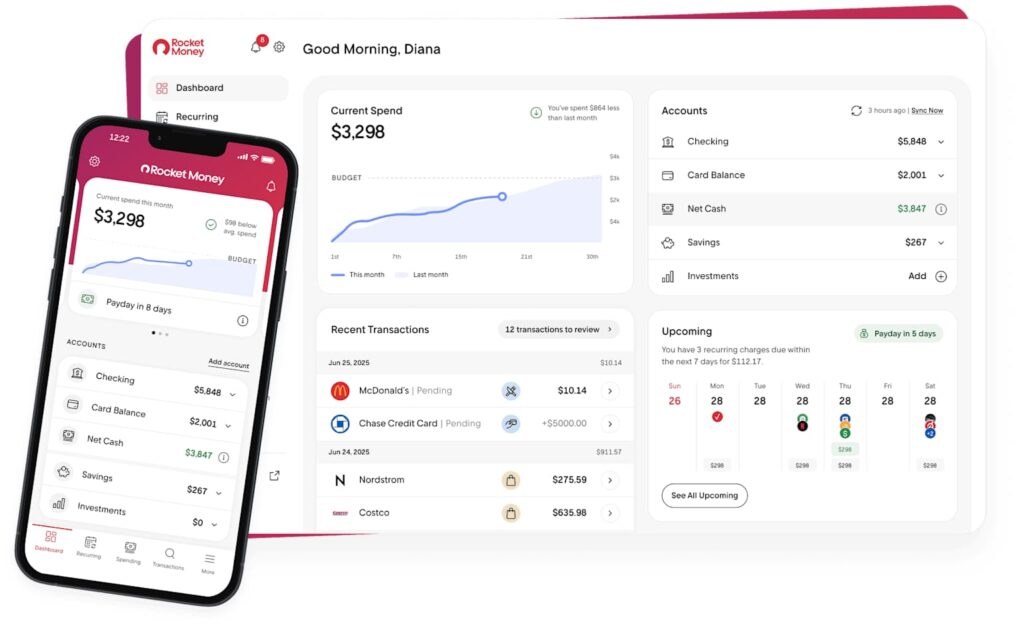
6. Personal Capital /Empower (Best for Investors)
This app is used for budgeting as well as investment tracking.
Key features:
- net worth tracking
- investment insights
- expense tracking
Best for:
👉 Advanced users who also want to manage investments
7. Spendee (Visual Tracking)
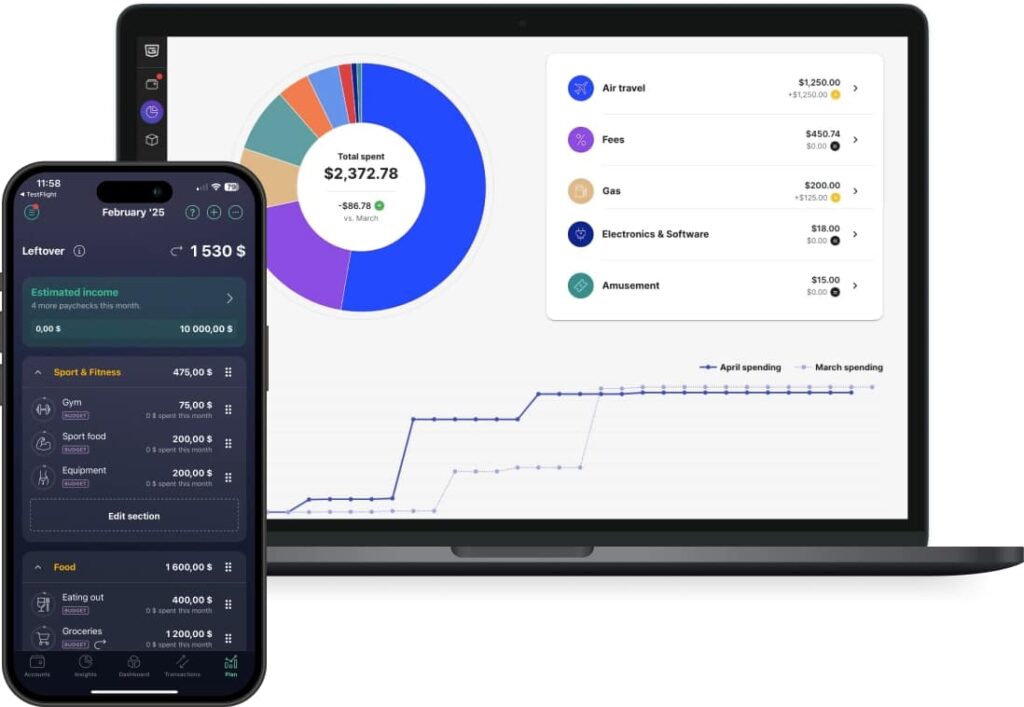
This is a visually attractive app that helps you understand your spending.
Key features:
- shared wallets
- spending insights
- budgeting goals
Best for:
👉 People who like to learn through visuals
8. Honeydue (Best for Couples)
This is specifically designed for couples who manage their finances together.
Key features:
- shared accounts
- bill reminders
- chat within the app
Best for:
👉 Couples
9. Fudget (simple & Private)
This is a simple and lightweight budgeting app that doesn’t have much complexity.
Key features:
- manual budgeting
- simple design
- no bank link required
Best for:
👉 Privacy-conscious users
10. Zeta (Best for Families)
This is also a good option for couples and families.
Key Features:
- Shared budgeting
- Expense tracking
- Financial planning tools
Best for whom?
👉 People managing joint finances
🔥 Final Touch:
With the help of all these apps, you can not only manage your expenses better but also gradually learn how to save money monthly and achieve your financial goals.
Top 10 Best Budgeting Apps 2026 (Detailed Comparison)
| App | Type | Best For | Key Feature | Pros | Cons | Rating |
|---|---|---|---|---|---|---|
| Mint | Free | Beginners | Automatic expense tracking | Easy to use, All-in-one dashboard, Bill reminders | Ads included, Limited customization | ★★★★★ |
| YNAB | Paid | Advanced users | Zero-based budgeting | Full control, Strong goal tracking, Real-time updates | Subscription cost, Learning curve | ★★★★☆ |
| PocketGuard | Free | Overspenders | Spending limit insights | Prevents overspending, Tracks subscriptions, Simple UI | Limited features, Not ideal for detailed budgeting | ★★★★☆ |
| GoodBudget | Free | Families | Envelope budgeting system | Great for shared budgets, Multi-device sync | Manual input required, No bank sync | ★★★☆☆ |
| EveryDollar | Free | Beginners | Simple monthly budgeting | Clean interface, Easy setup, Beginner friendly | Limited features in free version | ★★★★★ |
| Empower | Free | Investors | Net worth & investment tracking | Tracks investments, Strong financial insights | Can feel complex for beginners | ★★★★☆ |
| Spendee | Free | Visual users | Visual spending insights | Beautiful UI, Shared wallets, Easy tracking | Premium needed for full features | ★★★★☆ |
| Honeydue | Free | Couples | Shared budgeting tools | Great for partners, Bill alerts, Communication tools | Limited for single users | ★★★★☆ |
| Fudget | Free | Privacy users | Manual expense tracking | No bank linking, Lightweight, Simple design | No automation, Basic features only | ★★★☆☆ |
| Zeta | Free | Families & couples | Joint financial planning | Shared budgeting, Easy collaboration | Limited advanced analytics | ★★★★☆ |
Are Free Budgeting Apps Better Than Paid Ones?
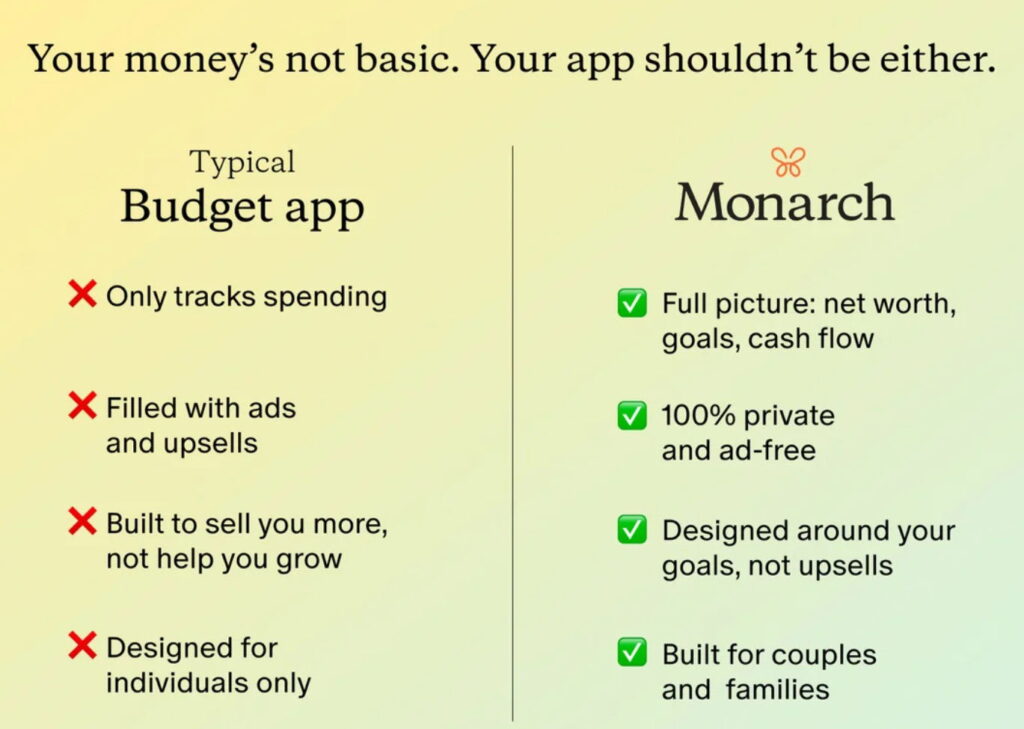
Free budgeting apps are ideal for beginners because they are simple and cost-effective. Paid apps offer advanced features like automation, detailed insights, and goal tracking, making them better for serious users.
Free vs Paid Budgeting Apps (Detailed Comparison)
Deciding between free and paid budgeting apps can often be a bit confusing for people. But if you break it down, it becomes much easier to choose.
Free Budgeting Apps (2026)
Pros:
- No cost to use
- Very easy for beginners to get started
- Great for learning basic budgeting
Cons:
- Limited features
- Sometimes ads or promotions appear
- Less customization options
Paid Budgeting Apps
Pros:
- More advanced features
- Provides detailed insights and reports
- Helps with goal setting and automation
Cons:
- Requires monthly or yearly subscription
- Requires some practice to get started
Which One Should You Chooes ?
Which app is best for you?
- Beginners → Free apps
- Serious savers → Paid apps
- Couples → Shared apps
It completely depends on your needs and level:
👉 If you are a beginner, start with free budgeting apps 2026
👉 If you want to do serious saving, paid tools are a better choice
👉 If you are a couple or family, apps with shared features are more useful
Ultimately, choosing paid vs free budgeting apps depends on your financial goals and commitment.
How to Choose the Right Budgeting App
Not every budgeting app is right for everyone, so it’s important to choose the right app for your needs and lifestyle.
How to choose the right app?
First, ask yourself these questions:
- Do you want the app to automatically track your spending, or do you prefer to manage everything manually?
- Are you budgeting alone, or do you want to do joint budgeting with a partner/family?
- Do you want the app to track your investments as well?
- What is your ultimate goal—to increase savings, eliminate debt, or both?
These questions will help you choose the best app for your needs.
Quick Recommendations
- Beginners: Mint or EveryDollar are great, for a quick and easy start
- Advanced Users: YNAB or Personal Capital (Empower) give you more control and insights
- Couples/Families: Honeydue or Zeta are great choices, which help with shared spending and planning
With the right app choice, you can easily improve your financial habits and take steps to save up to $500 each month.
How Budgeting Apps Help You Save $500/Month
Saving $500 per month may seem daunting at first, but with the right plan and a little effort, it’s totally possible.
Step-by-step example
Let’s say your monthly income is $2,000.
Before creating a budget:
- Random or unnecessary expenses → $500 wasted
After using a budgeting app:
Analyze your expenses → Identify unnecessary expenses
- Cancel subscriptions → Save $50
- Cut down on eating out → Save $150
- Control recurring small expenses → Save $200
- Better plan your bills → Save $100
Total savings = $500 per month ✅
This is how they show you using budgeting apps 2026—they clearly show where your money is going and where you can save. Another powerful way to boost your savings is to follow proven methods to pay off credit card debt faster, allowing you to keep more of your income.
Common Mistakes People Make While Using Budgeting Apps
Even if you have the best budgeting apps, they won’t be of any use if they’re not used correctly.
Avoid these common mistakes:
- Not updating your spending regularly
- Creating an unrealistic budget
- Ignoring small or insignificant expenses
- Giving up within the first few weeks
- Not reviewing monthly reports and insights
Remember, consistency and consistent action are always more important than the best tool.
Tips to Stay Consistent and Motivated
A budget isn’t just about numbers, it’s about your daily habits and financial behaviors.
Helpful tips for staying on track:
- Set yourself clear and realistic goals (e.g., saving $1,000 in the next three months)
- Review your progress weekly
- Give yourself small rewards for big milestones
- Always keep your goals visible so you can remember them
- Start with small steps and gradually increase them
These habits will not only help you with monthly savings, but they will also strengthen your financial discipline.
How Budgeting Leads to a Strong Emergency Fund
Budgeting and emergency savings are intertwined, and together they strengthen your financial security.
Take these steps to build financial stability:
- Track your daily expenses to eliminate unnecessary spending
- Prioritize saving each month so that the money accumulates gradually
- Build a solid emergency fund with consistency and planning
Example:
- Let’s say you save $300 each month → $3,600 will accumulate in a year.
With just two years of consistent saving, you can build a strong emergency fund that will support you in unexpected financial situations and provide you with financial peace of mind.
Can You Really Save $500 Per Month Using Budgeting Apps?
Yes, budgeting apps can help you save $500 per month by identifying wasteful spending, tracking subscriptions, and improving financial habits over time.
Conclusion: Take Control of Your Money Today
The truth is, managing money doesn’t have to be as complicated as it often seems.
With the best budgeting apps of 2026, you can:
- Easily track every expense and income
- Cut down unnecessary and wasteful spending
- Establish consistent savings habits
- Build a strong and reliable emergency fund
Take small steps to get started: choose a suitable app and use it daily.
The sooner you take control of your finances, the sooner your savings will start working for you and secure your financial future. To maximize your growth, you can also explore high-yield savings accounts that offer better returns and help your money grow faster over time.
FAQs: Best Budgeting Apps 2026
1. What is the best budgeting app in 2026?
It depends on your needs and experience. Mint is best if you are a beginner, while YNAB offers more control and detailed insights for advanced users.
2. How much should I save each month?
Try to save at least 20% of your income. If it seems difficult at first, take small steps and gradually increase your savings.
3. Why is budgeting important for beginners?
Creating a budget helps beginners understand spending habits, avoid unnecessary debt, and organize savings from the start.
4. How do budgeting apps help you save money?
These apps track your every expense, reveal wasteful spending, and keep you organized according to your financial goals.
5. Are free budgeting apps enough?
Yes, free apps are quite useful for beginners. But if you want advanced features and more control, paid apps are better.
6. How to start budgeting as a beginner?
First, look at your income and expenses, create a simple budget, and use a beginner-friendly app like Mint or EveryDollar.
7. Do budgeting apps really help you save $500 per month?
Yes, these apps highlight wasteful spending and improve financial habits, which can often lead to big savings for users each month.
8. What features are essential in expense tracker apps?
- Automation and real-time tracking
- Splitting expenses into different categories
- Goals tracking and progress reports
- User-friendly and easy interface