
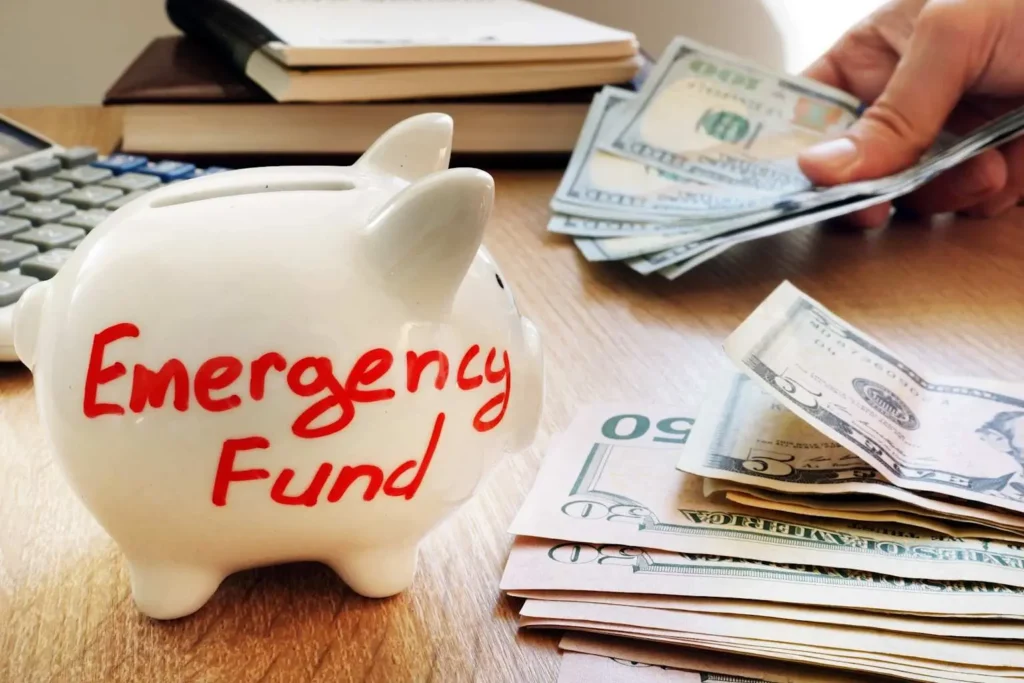
Getting out of debt is a big milestone. It takes discipline, patience, and a lot of sacrifice. When you finally pay off your last debt, it feels like a huge weight has been lifted off your shoulders. But at that moment, a new question arises:
What should you do next?
This is where many people get confused. Without a clear plan, it’s all too easy to fall back into old habits—like spending unnecessarily, neglecting savings, and slowly slipping back into debt. If you’re struggling with this, understanding why you can’t save money (and how to fix it) can help you break these patterns.
That’s why building an Emergency Fund After Debt Payoff is the most important next step. It not only protects your hard work, but it also strengthens your financial foundation, so you can face any unexpected situation with confidence.
In this guide, you’ll learn how to build an emergency fund quickly, how to save $500 per month, and where it’s best to stash or spend your extra money wisely. Whether you’re just starting out or looking to improve your strategy, this complete guide will help you get moving in the right direction. 🚀
Table of Contents
💡 What to Do After Paying Off Debt
Getting out of debt is not the end of the journey, but the beginning of a new financial phase. Before you start building your emergency fund, it’s smart to review your credit card debt payoff strategies to ensure you’re financially ready to save consistently.
💡 Change your mindset
When you are in debt, your focus is on making ends meet, such as:
- Paying bills on time
- Avoiding additional charges and penalties
- Managing mental stress
But as you get out of debt, your priorities should change. Now you need to focus on:
- Building your financial security
- Growing wealth gradually
- Achieving true financial freedom
This shift is very important. If you don’t change your mindset, the risk of getting back into debt increases, and all your hard work can be wasted.
⚠️ Avoid the “Lifestyle Upgrade Trap”
The most common mistake people make after getting out of debt is to immediately increase their spending.
For example:
You were previously paying $500 per month in debt payments. As debt is eliminated, the heart wants to:
- Improve your lifestyle
- Shop more or increase your spending on eating out
- Take on new financial responsibilities
- But this is where prudence comes in.
Instead, put that same $500 into savings under the save $500 per month plan. This money can become the foundation of your Emergency Fund After Debt Payoff.
If you adopt this one habit, you can not only avoid getting into debt again but also build a strong financial future. 💰🚀
💰 Why Saving $500/Month Matters
Saving $500 a month may sound simple, but its impact is surprisingly powerful. According to financial experts, consistent monthly savings build long-term security and financial resilience.
💰 Long-term financial security
- If you consistently save $500 a month:
- $500 per month = $6,000 a year
In just 2 to 3 years, you can build a strong financial safety net that will support you in difficult times.
📊 Real-life example
Imagine two people:
- Person A: Spends an extra $500 every month.
- Person B: Saves $500 every month regularly.
After one year:
- Person A → $0 savings
- Person B → $6,000 emergency fund
The difference here is not income, but habit. It is this habit that makes you strong.
🧠 Creating a Freedom Mindset
When you save consistently, your mindset also gradually changes. You:
- Feel more secure in uncertain situations
- Make more informed financial decisions
- Avoid taking on debt in the future
This is the real goal of money management after debt payoff, that is, managing money properly after the debt is paid off.
If you continue with this routine, you can easily strengthen your Emergency Fund After Debt Payoff and move towards a secure financial future. 🚀💵
🛡️ What Is an Emergency Fund?
An emergency fund is money set aside specifically for unexpected situations — not for everyday expenses or lifestyle improvements.
🚨 What is considered an emergency?
Not every expense is an emergency. A true emergency is one that comes on suddenly and is necessary, such as:
- Sudden medical expenses
- Job loss or loss of income
- Urgent repairs (car or home)
- Family emergencies
💡 The 3–6 Month Emergency Savings Rule
According to financial experts, a good rule of thumb is to have at least 3 to 6 months of expenses saved.
This means that even if your income stops, you should be able to live without worries for a few months.
Example:
- If your monthly expenses are $1,500:
- 3 months = $4,500
- 6 months = $9,000
This is the goal you should set for your Emergency Fund After Debt Payoff, . and you can use an emergency fund calculator to estimate your savings goal.
📈 Why is an emergency fund important before investing?
Many people ask: emergency fund vs investing — what to do first?
The simple answer is:
- Emergency Fund = Protection
- Investing = Growth
Investing can be risky if you don’t have protection in place. Because in any emergency, you may have to withdraw your investment at a loss.
That’s why it’s wise to first build a strong Emergency Fund After Debt Payoff, then move towards investing with confidence. 🚀💰
📈 Where to Keep or Invest Your Emergency Fund
It’s important to choose the right place to keep your Emergency Fund After Debt Payoff safe. The main goal is to keep your money secure, easily accessible, and stable — not to chase high returns, which is why options like high-yield savings accounts for emergency funds are often recommended.
1️⃣ High-Yield Savings Account
This is a great choice for an emergency fund because:
- The money is readily available
- The risk is very low
- You also get a little interest

2️⃣ Money Market Accounts
“These accounts offer better interest rates than regular savings accounts and make it easier to get cash when you need it. Learn more about high-yield savings accounts for emergency funds here.
- Advantages:
- Quick access
- Provides financial security
- The interest rate is slightly higher
3️⃣ Short-Term Fixed Deposits
In some countries, short-term deposits are also a good way to stay safe.
Note: Withdrawals should be easy and not incur additional penalties.
⚠️ What to avoid?
- Keep an emergency fund in stocks or crypto (more volatile)
- Keep it in long-term investments (cannot be easily cashed out)
- Accounts that are not immediately accessible
Remember, an emergency fund is money that can be used at any time in an emergency without risk. It is the foundation of your financial security and peace of mind. ✅💵
💵 10 Proven Ways to Save $500 Every Month
Saving $500 a month is not a matter of high income, but rather the result of being prudent and adopting good financial habits. Small steps, if taken consistently, can yield big financial benefits. This method is especially helpful for those who want to build an Emergency Fund After Debt Payoff.
1️⃣ Regularly review your spending
Often people make the mistake of estimating how much money they spend each month.
Example:
If you keep track of everything, you may find that you are spending about $100 a month on unnecessary items. Using the best apps for tracking spending and budgeting can help you identify these expenses more clearly and stay in control of your money. By transferring this small savings to an emergency fund, you can gradually build a strong financial foundation.
2️⃣ Eliminate unnecessary subscriptions
Music, video, app, or other subscriptions seem small but add up to a lot of money overall.
Potential savings: $20–$50/month
3️⃣ Use budgeting and tracking apps
Modern expense tracker apps help you keep track of every expense and identify unnecessary waste. For a detailed guide on the best tools, check out Top 7 Budgeting Apps That Will Help You Track Every Penny Effectively.
4️⃣ Cook at home
Eating out regularly can put a strain on your monthly budget.
Potential savings: $100–$200/month
5️⃣ Automate your savings
Set up automatic transfers to your savings account each month to help your savings grow. This simple step works even better when combined with money saving habits that actually work.
6️⃣ Create additional sources of income (Side Hustle)
Freelancing, tutoring, or selling products can boost your monthly income.
7️⃣ Shop smart
Look for discount offers, compare prices, and avoid unnecessary purchases.
8️⃣ Reduce fixed expenses
Negotiate rent, switch providers, or reduce utility costs.
9️⃣ Take advantage of cashback and rewards
Use cashback offers on essential purchases to save extra.
🔟 Set clear financial goals
When you know why you’re saving, it’s easier to stay focused and your habits are stronger.
These 10 simple and practical ways will help you save $500 per month, and all of these steps provide the foundation for building an Emergency Fund After Debt Payoff. 💵✅
🔗 How Monthly Savings Builds a Strong Emergency Fund
Don’t just worry about speed, focus on making progress step by step.
Example timeline:
- Month 1 → $500
- Month 6 → $3,000
- Month 12 → $6,000
Within a year, you can reach a solid and reliable savings level for your Emergency Fund After Debt Payoff.
📅 Long-term goal plan
If your goal is a $9,000 emergency fund:
$500 monthly savings → Full goal will be achieved in about 18 months
This is a realistic and achievable timeline that is easy for most people to follow.
⚠️ Common Mistakes to Avoid
To strengthen your Emergency Fund After Debt Payoff, it is important to avoid common mistakes, so that the fund is always safe and available.
1️⃣ Investing the emergency fund in risky investments
The purpose of the fund is only safety. Do not invest it in stocks, crypto or volatile assets, otherwise you may lose money when needed.
2️⃣ Leaving savings occasionally
It is important to keep saving consistently every month. Saving intermittently slows down the growth of your emergency fund.
3️⃣ Have a clear goal for saving
Before creating a fund, determine what you are saving it for.
It is important to understand this so that your money is only used for real emergencies, and unnecessary spending can be avoided.
4️⃣ Using the fund for non-emergency needs
Do not use the fund for vacations, entertainment or shopping. The emergency fund should only be for real emergencies.
5️⃣ Keep money in volatile assets
Keep your emergency fund in a place where there is no volatility, so that the full amount is available when needed.
🚀 Tips to Stay Consistent & Motivated
Consistency is the key to building your Emergency Fund After Debt Payoff. Follow these simple steps to keep moving forward:
Make Saving a Habit
Set aside money first every month before spending. Small, regular actions compound over time and create lasting financial habits.
Automate Your Savings
Use automatic transfers to your savings account. This ensures your money grows each month without extra effort and reduces the risk of forgetting.
Monitor Your Growth
Check your savings weekly or monthly. Seeing your emergency fund grow motivates you to keep going and stay disciplined.
Reward Yourself Wisely
Celebrate milestones without overspending. Even small rewards help maintain motivation while keeping your goals intact.
Keep Your Goal in Mind
Visualize the security and peace of mind your emergency fund provides. Constantly reminding yourself of this makes it easier to stick to the plan.

✅ Conclusion
Building an emergency fund after paying off debt is one of the smartest financial moves you can make. It helps you stay protected, reduces financial stress, and gives you a strong foundation for future growth.
Start with whatever amount you can and stay consistent. Even small savings, when done regularly, can grow into a reliable financial safety net over time.
Stay focused on your goal and avoid unnecessary spending. The discipline you build today will create stability and confidence in your future.
❓ FAQs Emergency Fund After Debt Payoff
1️⃣ How much should I save for an emergency fund?
Determine your financial needs and ensure that you have 3 to 6 months of essential expenses.
This amount ensures the strength and financial security of your Emergency Fund After Debt Payoff.
2️⃣ Can I invest in my emergency fund?
No, an emergency fund should always be safe and immediately available. Investing comes with risk, which defeats the purpose of an emergency fund.
3️⃣ What should I do after paying off debt?
First, build an Emergency Fund After Debt Payoff. Then, adopt an investment and wealth growth strategy.
4️⃣ How long does it take to build an emergency fund?
This depends on the amount of money you save. If you save $500 per month, you can build a strong fund in 12 to 18 months.
5️⃣ Is saving $500 per month enough?
Yes, it is a realistic and achievable goal to build your financial security over time.
6️⃣ Where is the best place to keep an emergency fund for beginners?
High-yield savings accounts or money market accounts are best, as they are safe, liquid, and low-risk.
7️⃣ What is the best budgeting method for saving money?
Simple methods like the 50/30/20 rule or zero-based budgeting are easy and effective for most people.
8️⃣ What to do after building an emergency fund?
While maintaining your emergency savings, invest and focus on growing your wealth.
🚀 Start today
- Give your extra $500 a purpose.
- Open a separate savings account
- Set up your first automatic transfer
Build your Emergency Fund After Debt Payoff every month
Remember, every small step protects your financial future. 💵✅
📈 What to Do Once Your Emergency Fund is Full?
Once you have successfully built your 3 to 6 months of emergency runway, keeping all your extra cash in a standard savings account will make you lose money to inflation. The next logical step to grow your wealth is long-term investing.
If you are a complete beginner and don’t know where to start, your safest option is to explore pooled investment vehicles. Read our comprehensive guide on [Mutual Funds Explained for Beginners: Risks, Returns & How They Work (2026)] to learn how you can start investing your extra $500/month for maximum compound growth.


Pingback: High Yield Savings Accounts 2026 | Earn 4.5% + Globally